19 April 2022
Bites and Stings
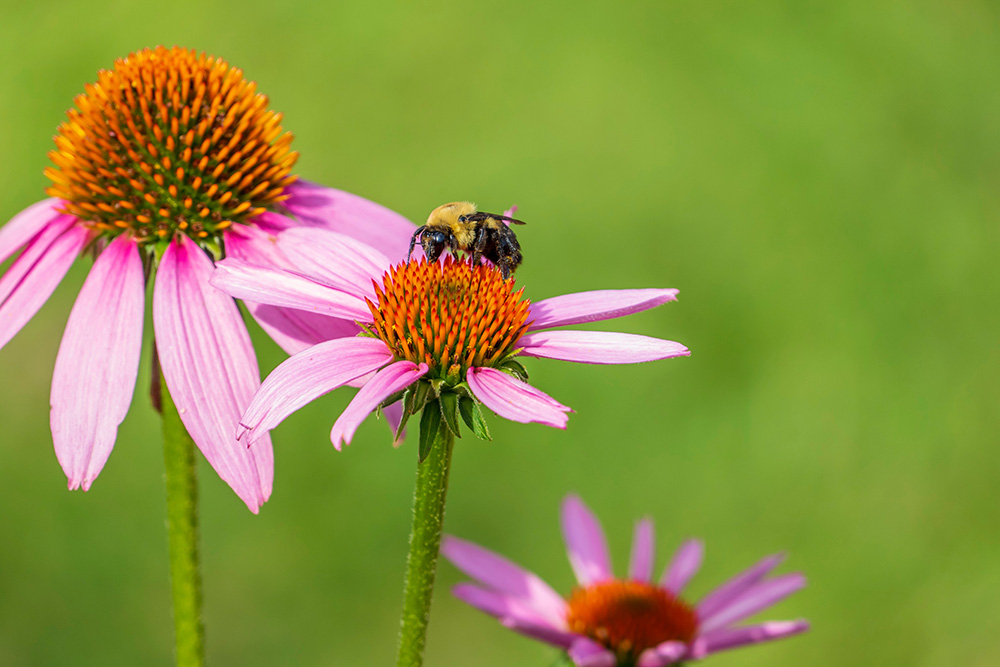
With summer fast approaching, insect bites and stings are a common inevitability of warmer days.
Although they can be painful, itchy and a nuisance they are usually harmless and clear up after a few days. However it’s good to know what to look out for, basic first aid and when to seek further help.
Most commonest insects causing bites and stings:
Wasps and hornets
Bees. They may leave part of the sting in the skin which needs to be removed
Midges or gnats
Horse flies
Spiders
Red ants
Ticks …these need to be removed very carefully and with special tweezers
Also watch out for nettle stings
Most of the above will cause localised pain, a red raised bite mark, a small hive around the bite and may be itchy.
Treatment:
Remove any evidence of remaining sting
Wash with soap and water
To reduce the swelling….Apply a cold compress/ice pack for 10 minutes on the area and again later. Elevate the area.
Take paracetamol/ibuprofen for any pain
Apply an antihistamine cream to the area and if very itchy and red take an antihistamine tablet.
Avoid scratching it and keep it clean
When to seek further help:
If the bite area gets very hot, the redness spreads and swelling increases and evidence of pus, it may be infected and you are advised to seek antibiotics from your GP.
If you experience….
Wheezing/difficulty in breathing
Swollen face, lips and throat
Nausea
Fast heart rate
Dizziness
Unconsciousness
This is a medical emergency and likely you are having a severe allergic response…call 999
Tip:
Be ready….have antihistamine tablets, antihistamine (anti-sting/bite) cream and insect repellent in your first aid box.
Prevention:
Apply insect repellent containing 50% diethyltoluamide on exposed skin
Cover exposed skin with appropriate clothing when walking in woods and also at sunrise and sunsets
Wear footwear in the garden
Avoid strong smelling perfumes and shampoos

Sue Mullen author

Comments (0)