Common Postnatal Challenges – And Why a Mummy MOT® Helps
1. Diastasis Recti (Tummy Gap)
Up to two-thirds of women have some degree of separation in their abdominal muscles after birth. If the gap remains at 8 weeks postpartum, it rarely closes on its own without targeted help. This can lead to that domed “mummy tummy” appearance, weaker core stability, and even contribute to back pain or pelvic issues.
2. Pelvic Floor Weakness
From stress incontinence to heaviness or discomfort, pelvic floor changes affect many mums – even those who had a caesarean. Everyday activities like sneezing, running after a toddler, or jumping on the trampoline can highlight it.
3. Lower Back and Postural Changes
Pregnancy shifts your centre of gravity, and carrying a growing baby (then a toddler!) strains the back and pelvis. Without proper rehab, this can turn into chronic aches.
4. Scars, Breathing Patterns, and Overall Recovery
C-section or perineal scars can affect movement, while altered breathing from pregnancy impacts core function. Many mums also feel emotionally drained, and physical discomfort adds to the load.
The standard postnatal check often doesn’t cover these in depth, which is why so many women carry on without realising help is available.
What Makes a Mummy MOT® the Best Postnatal Check-Up?
The Mummy MOT® is a specialist, comprehensive postnatal assessment designed specifically for women after vaginal or caesarean birth – no matter how long ago. In a relaxed one-hour session, we cover:
- Full postural and movement screening
- Pelvic floor muscle assessment (internal if you choose)
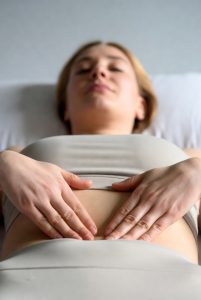
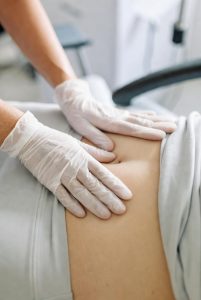
- Check for diastasis recti and core strength
- Scar tissue evaluation and advice
- Screening for bladder, bowel, or sexual function concerns
- Breathing patterns and overall body integration
After your Mummy MOT® assessment you receive a clear written report of findings, plus a bespoke, safe rehabilitation programme with gentle exercises to rebuild strength gradually. Many mums start feeling more supported and confident after just one session – and follow-ups help you progress safely toward exercise, lifting your baby without worry, or simply enjoying daily life more.


Comments (0)